

Agarwood Agro-forestry, Carbon Footprints, and the Path to Credible Credits
Tree-based systems can store carbon and support broader landscape benefits, but carbon credits require a qualified methodology, monitoring, validation, verification, and safeguards.
Read article →
DENR and CITES Compliance: A Practical Foundation for Philippine Agarwood
Agarwood-related activities may engage Philippine wildlife and forestry controls as well as CITES rules for international trade; compliance planning must begin early.
Read article →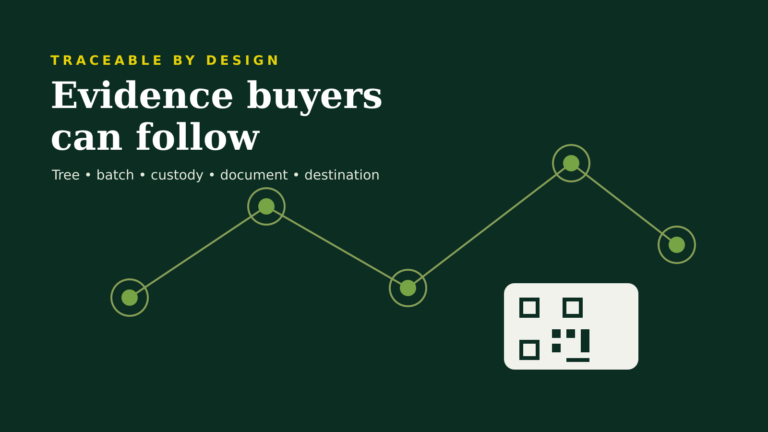
Why Agarwood Traceability Matters to Global Buyers
Traceability connects a finished agarwood product to lawful origin, documented custody, responsible practices, and evidence a buyer can verify.
Read article →
Agarwood in the Philippines: Opportunity Rooted in Responsibility
The Philippines offers a compelling setting for cultivated agarwood, but ecological suitability must be matched by lawful sourcing, farm discipline, and realistic expectations.
Read article →
Understanding Agar and Agarwood: From Living Tree to Fragrant Resin
A practical introduction to how resinous agarwood develops, why quality varies, and why responsible cultivation begins with patient tree stewardship.
Read article →